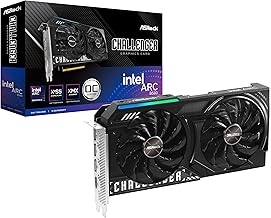
The graphics card landscape has welcomed a formidable new contender with the introduction of the Intel Arc B580 series. This lineup represents Intel's push into the competitive mid-range GPU market, offering a compelling blend of performance, features, and value. At its core, the B580 architecture is designed to deliver smooth gaming experiences at 1440p and even respectable 4K performance, backed by generous 12GB of GDDR6 memory. This guide will delve into the various models available, their unique selling points, and essential considerations for your next PC build.
Exploring the B580 GPU Lineup
Several manufacturers have released their own takes on the Intel Arc B580, each with distinct cooling solutions and design philosophies. ASRock offers two prominent models: the Challenger and the Steel Legend. The Challenger variant focuses on efficient dual fan cooling and features a 0dB silent operation mode, where the fans stop entirely under low loads for a noise-free experience. For users seeking more thermal headroom and a premium aesthetic, the Steel Legend steps up with a triple-fan array and Polychrome SYNC RGB lighting. You can read a detailed ASRock Intel Arc B580 Steel Legend review to see how it performs in real-world gaming tests.
Sparkle enters the fray with the powerful Titan OC. This card boasts Sparkle's Torn Cooling 2.0 system with large axial fans and a striking design that includes a breathing light effect and a sturdy metal backplate. For builders looking for a more budget-conscious option from a familiar brand, the WEELIAO GUNNIR Intel Arc B580 Index provides a solid 12GB GDDR6 foundation with a dual-fan cooler, making it a viable budget graphics card for 1440p gaming.
Performance and Use Cases: Gaming and Beyond
The primary appeal of any B580 card is its gaming prowess. With 12GB of VRAM, these GPUs are well-equipped to handle modern titles at high settings. The ample memory is particularly beneficial for games with high-resolution textures and for future-proofing your system. Whether you're targeting 1440p gaming or exploring 4K gaming, the B580 provides a capable foundation. Features like DisplayPort 2.1 and HDMI 2.1a ensure support for the latest high-refresh-rate monitors and TVs. For a broader understanding of its capabilities, check out the complete guide to the B580's features and applications.
Beyond gaming, the Intel Arc architecture offers strong media encoding capabilities, making B580 cards an interesting option for content creators on a budget who need efficient video processing for streaming or editing.
Cooling and Maintenance for Optimal B580 Performance
To maintain peak performance and longevity, proper cooling is paramount. All B580 models come with robust factory cooling, but the thermal paste between the GPU die and the heatsink can degrade over time. For enthusiasts looking to perform maintenance or even improve out-of-the-box temperatures, a high-quality thermal compound like ARCTIC MX-4 is an excellent choice. Its high thermal conductivity and non-conductive properties make it safe and effective for GPU cooling applications. A dedicated B580 GPU thermal paste application guide can walk you through the process.
Furthermore, ensuring good airflow within your PC case is crucial. Adding high-performance, low-noise case fans can significantly reduce overall system temperatures. A product like the DARKROCK 3-Pack 120mm fans can help create a positive air pressure environment, efficiently exhausting hot air from your B580 and other components. Optimizing this aspect of computer cooling is detailed in resources like the B580 cooling guide for case fans.
Considering Alternatives: B570 and Competitors
The B580 doesn't exist in a vacuum. Intel's own B570 series, such as the Sparkle Guardian OC or the ASRock Challenger, offer a step down with 10GB of GDDR6 VRAM. These can be compelling B580 alternatives for gamers focused on 1080p or lighter 1440p workloads at a potentially lower price point. Reviews like the Sparkle B570 Guardian OC review and the ASRock B570 Challenger review help clarify the performance trade-offs.
From the competition, AMD's Radeon RX 7600, exemplified by the ASUS Dual EVO OC Edition, is a direct rival. It features 8GB of GDDR6 and technologies like Axial-tech fans. The choice between an 8GB RX 7600 and a 12GB B580 often comes down to specific game optimization, driver maturity, and the value placed on extra VRAM for future games. For those considering an even more budget-friendly Intel option, the 8GB Sparkle Intel Arc A580 ORC OC is another alternative, as discussed in its dedicated review.
In conclusion, the Intel Arc B580 series presents a versatile and powerful option in the mid-range GPU segment. With multiple models from reputable board partners, strong 12GB VRAM specifications, and modern display outputs, it's a serious contender for gamers and creators alike. When selecting your card, consider your target resolution, budget, and the value of robust cooling solutions to ensure you get the best possible experience from your new gaming graphics card.